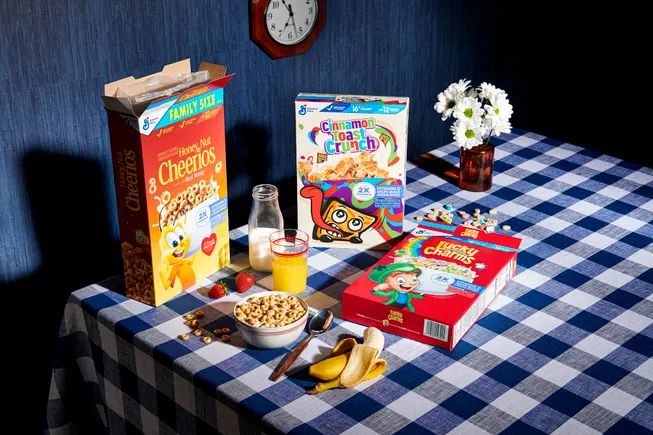
General Mills Doubles Vitamin D: A Healthier Cereal Move?
In a landscape where consumers are increasingly prioritizing health and wellness, food manufacturers are constantly innovating to meet demand. General Mills, a breakfast cereal giant and household name for generations, has recently announced a significant nutritional upgrade to several of its beloved "Big G" cereals. Following a pivotal FDA ruling, the company is doubling the Vitamin D content in popular cereals such as Lucky Charms, Trix, and Cookie Crisp. This move aims to enhance the nutritional profile of these familiar morning staples, positioning them as a more appealing, high vitamin General Mills cereal choice for families. But what does this mean for your breakfast bowl, and does it truly make these cereals "healthy"?
The "Why" Behind the Boost: Understanding Vitamin D's Vital Role
Vitamin D, often dubbed the "sunshine vitamin," is crucial for numerous bodily functions, yet deficiency remains a widespread concern globally. Our bodies naturally produce Vitamin D when exposed to sunlight, but modern lifestyles, geographical locations, and even sunscreen use can limit this natural production. Dietary sources, though fewer, include fatty fish, fortified milk, and egg yolks. Recognising this gap, General Mills' decision to fortify its cereals with double the Vitamin D content is a strategic step towards making this essential nutrient more accessible.
Why is Vitamin D so important? It plays a critical role in:
- Bone Health: It helps the body absorb calcium and phosphorus, essential minerals for strong bones and teeth. Without adequate Vitamin D, bones can become thin, brittle, or misshapen.
- Immune Function: Research suggests Vitamin D helps modulate the immune system, potentially reducing the risk of infections and autoimmune diseases.
- Mood Regulation: Some studies link Vitamin D levels to mood, with deficiencies sometimes associated with symptoms of depression.
- Muscle Function: It contributes to proper muscle function and strength.
By increasing the Vitamin D in widely consumed cereals, General Mills aims to provide parents with a convenient and familiar way to help their children meet their daily nutritional needs. Amy Cohn, senior nutrition manager at General Mills, stated, "Doubling the Vitamin D content of our Big G Cereals is just another step in our continued commitment to providing affordable, accessible nutrition because we know that breakfast doesn't have to be complicated or break the bank – and it can be as easy as a beloved bowl of cereal."
Interestingly, this industry-wide shift didn't originate solely with General Mills. Its main competitor, Kellogg, actually filed the initial petition with the FDA three years prior to allow for increased amounts of Vitamin D in food products, highlighting a collective recognition of the nutrient's importance and the potential for fortified foods to address public health needs.
Navigating the Cereal Aisle: General Mills' Strategy and the "Healthy" Debate
General Mills boasts a long history, leading the American cereal industry since 1860. Over the years, the brand has continually adapted, with a notable recent shift towards targeting health-conscious consumers. This has included efforts to incorporate whole grains and, in some product lines, reduce added sugars compared to many commercial competitors. Iconic brands like Cheerios, for instance, are celebrated for their whole-grain content and essential vitamins and minerals, maintaining a nostalgic appeal while attempting to offer nutritional benefits.
However, the concept of "healthy" cereal has been a point of contention. In recent history, both Kellogg and Post faced class-action lawsuits totaling $20 million and $15 million, respectively, for marketing cereals with significant added sugar as "healthy." These legal battles restricted their labeling practices, barring terms like "healthy" or "less processed" without meeting specific criteria. This backdrop is crucial when evaluating General Mills' latest move.
The FDA's new guidelines for classifying a food product as "healthy" require it to meet a baseline amount of nutrients while also limiting the amount of added sugar. This creates a significant challenge for many popular cereals, especially those like Lucky Charms or Trix, which, despite the new Vitamin D boost, are still known for their relatively high sugar content. For a deeper dive into how General Mills balances these factors, see our article on General Mills Cereals: Balancing Nutrition and Added Sugar.
While the addition of more Vitamin D is undeniably a positive step, it prompts a broader question: can a cereal truly become "healthy" without more fundamental ingredient reformulations that address aspects like added sugar? For example, a single serving (1 cup/37g) of Honey Nut Cheerios contains 12g of added sugar, which accounts for 24% of the daily value. This illustrates the complex balancing act manufacturers face between consumer preference for taste, historical brand identity, and evolving nutritional guidelines. While Big G Cereals: General Mills' Commitment to Vitamin D marks a positive change, consumers must still consider the full nutritional picture.
What This Means for Your Breakfast Bowl: Practical Tips for Consumers
The doubling of Vitamin D in General Mills' "Big G" cereals is a clear indicator that food companies are responding to health trends and regulatory changes. For consumers, especially parents, this translates to more readily available Vitamin D in products children already enjoy. However, making informed breakfast choices requires looking beyond a single nutrient.
Here are some practical tips to make the most of this development and ensure a truly nourishing breakfast:
- Read Nutrition Labels Carefully: While General Mills is creating a high vitamin General Mills cereal, it's essential to check the entire nutrition label. Pay attention to total sugars (especially added sugars), fiber content, and the list of ingredients. Aim for cereals with whole grains listed as the first ingredient and lower amounts of added sugar.
- Balance Your Bowl: Even with increased Vitamin D, cereal alone may not provide a complete meal. Complement your cereal with other nutrient-dense foods. Add fresh fruit for natural sweetness and fiber, a handful of nuts or seeds for healthy fats and protein, or pair it with yogurt or milk (which is often fortified with Vitamin D and calcium).
- Mind Your Portions: Serving sizes on cereal boxes are often smaller than what people typically pour. Measure your portions to manage calorie and sugar intake effectively.
- Diversify Breakfast: While a convenient option, don't rely solely on cereal for breakfast every day. Rotate with other healthy options like oatmeal, eggs, whole-wheat toast with avocado, or smoothies to ensure a broader spectrum of nutrients.
- Look for Whole Grains: Prioritize cereals that prominently feature whole grains. General Mills already has a strong portfolio of whole-grain cereals like Cheerios and Chex, which inherently offer more fiber and complex carbohydrates.
This move by General Mills makes it easier to get some Vitamin D, but it's a step, not a complete overhaul. It highlights the ongoing evolution in the food industry to marry convenience and consumer preferences with increasingly stringent health guidelines.
Conclusion
General Mills' decision to double the Vitamin D content in popular cereals like Lucky Charms, Trix, and Cookie Crisp is a significant development, directly responding to an FDA ruling and the growing consumer demand for healthier food options. This move ensures that a wider range of General Mills cereals can now be considered a high vitamin General Mills cereal, contributing to the intake of a crucial nutrient for bone health and immune function, especially among children.
While this is a positive step towards enhancing the nutritional value of familiar breakfast staples, it's crucial for consumers to maintain a holistic perspective. The overall "healthiness" of a cereal still depends on its complete nutritional profile, including levels of added sugar and fiber. By understanding the benefits of increased Vitamin D fortification and combining it with smart dietary choices, consumers can leverage these improved cereals as part of a balanced and nourishing breakfast routine. This initiative from General Mills marks another chapter in the food industry's continuous journey to balance taste, convenience, and health in every bowl.