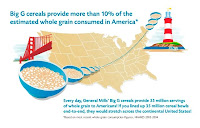
Big G Cereals: General Mills' Enhanced Commitment to Vitamin D
In a significant move poised to impact breakfast tables nationwide, General Mills has announced a substantial increase in Vitamin D content across its beloved "Big G" cereal brands. This commitment underscores a broader industry shift towards enhancing the nutritional value of everyday foods, offering consumers a more accessible source of this vital nutrient. For families seeking a High Vitamin General Mills Cereal, this development is particularly welcome, as popular choices like Lucky Charms, Trix, and Cookie Crisp are now fortified to a greater extent, aiming to provide a more nutritious start to the day.
This initiative follows a crucial FDA ruling that expanded the permissible amount of Vitamin D in fortified foods. General Mills, a leader in the American cereal and consumer foods industries since 1860, is capitalizing on this regulatory change to bring an often-undervalued nutrient to products already familiar and cherished by millions. The decision reflects a conscious effort to blend nostalgia with modern nutritional science, addressing both consumer preferences and public health needs.
The Critical Role of Vitamin D: Why It Matters More Than Ever
Vitamin D, often dubbed the "sunshine vitamin," is indispensable for numerous bodily functions. While our bodies can produce it through sun exposure, and it can be found in a few natural food sources like fatty fish, milk, and egg yolks, many people struggle to get enough. Vitamin D deficiency is a widespread concern, especially in regions with limited sunlight or among individuals with dietary restrictions.
Its primary role is in promoting calcium absorption in the gut, which is fundamental for maintaining strong, healthy bones and teeth. Without adequate Vitamin D, calcium cannot be properly utilized, potentially leading to conditions like osteoporosis in adults and rickets in children. Beyond bone health, emerging research highlights its importance in supporting immune system function, regulating mood, and potentially playing a role in preventing chronic diseases.
Considering how vital it is, and the prevalence of deficiency, convenient dietary sources become crucial. Fortified foods, like the High Vitamin General Mills Cereal options, play a significant role in helping individuals meet their daily Vitamin D requirements without needing extensive dietary overhauls or excessive sun exposure.
General Mills' Proactive Stance: Doubling Down on D
General Mills' decision to double the Vitamin D content in its "Big G" cereals like Lucky Charms and Trix is a direct response to a recent FDA ruling, which itself was influenced by an industry petition, notably initiated by General Mills' competitor, Kellogg, three years prior. This coordinated effort within the food industry and regulatory bodies signals a recognition of Vitamin D's public health importance and the need to make it more accessible.
"Doubling the Vitamin D content of our Big G Cereals is just another step in our continued commitment to providing affordable, accessible nutrition because we know that breakfast doesn't have to be complicated or break the bank – and it can be as easy as a beloved bowl of cereal," stated Amy Cohn, Senior Nutrition Manager at General Mills. This sentiment perfectly encapsulates the company's strategy: leverage beloved, affordable products to deliver essential nutrients. For parents looking for an easy way to boost their children's nutrient intake, a familiar bowl of High Vitamin General Mills Cereal becomes an even more appealing option.
This move isn't just about compliance; it's about leading the charge in accessible nutrition. By enhancing the nutritional profile of cereals that are already staples in many households, General Mills effectively broadens the reach of crucial vitamins, making it simpler for families to start their day with added nutritional benefits. For a deeper dive into the implications of this decision, you can read more about General Mills Doubles Vitamin D: A Healthier Cereal Move?
Navigating Cereal Nutrition: Beyond Just Vitamin D
While the focus on Vitamin D is a commendable step, it's also important to view cereal nutrition holistically. The breakfast cereal category has faced scrutiny in recent years regarding its "health halo," particularly concerning added sugars. Both Kellogg and Post have settled class-action lawsuits related to the perceived health claims of their cereals despite high sugar content, leading to stricter labeling guidelines and limiting terms like "healthy" or "less processed."
The FDA's evolving guidelines for classifying a food product as "healthy" now emphasize a baseline amount of nutrients alongside limits on added sugar. This pushes manufacturers to consider the overall nutritional package rather than just one or two fortified ingredients.
General Mills has historically aimed for a balance, with many of its cereals, such as Cheerios, featuring whole grains and a less-than-average amount of sugar compared to other commercial cereals. Take the example of Honey Nut Cheerios, a comforting golden-honey family favorite:
Nutrition Facts (Per serving: 1 cup/37g, prior to Vitamin D doubling):
- Calories: 140
- Total Fat: 2g (3% DV)
- Total Carbohydrate: 30g (11% DV)
- Dietary Fiber: 3g (10% DV)
- Total Sugars: 12g
- Added Sugars: 12g (24% DV)
- Protein: 3g
- Vitamin D: 2mcg (10% DV) – *Note: This is the pre-doubling amount. This is now significantly higher in "Big G" cereals.*
- Calcium: 130mg (10% DV)
- Iron: 3.6mg (20% DV)
- Other Fortifications: Vitamin A, C, Thiamin, Riboflavin, Niacin, Vitamin B6, Folate, Vitamin B12, Phosphorus, Magnesium, Zinc.
While the 12g of added sugar in this example (and potentially more in some "Big G" cereals like Lucky Charms or Trix) is a consideration, the presence of whole grains, dietary fiber, and a wide array of other essential vitamins and minerals—now significantly boosted with Vitamin D—still offers nutritional benefits. The journey to making cereals "truly healthy" without major reformulations is complex, often involving a delicate balance between taste, cost, and nutritional density. For more on this ongoing discussion, consider reading General Mills Cereals: Balancing Nutrition and Added Sugar.
Empowering Breakfast Choices: Tips for Consumers
With General Mills' renewed commitment to nutrient fortification, consumers have even more options. Here are some actionable tips to make the most of your breakfast choices:
- Read the Label Carefully: Beyond just calories, look at serving size, added sugars, fiber content, and the percentage Daily Value (DV) for key vitamins and minerals like Vitamin D, Iron, and Calcium. The higher the DV, the more nutrient-dense the food is in that particular area.
- Combine for Balance: Don't rely solely on one food for all your nutrients. Pair your High Vitamin General Mills Cereal with other nutritious components. Think a bowl of fortified cereal with fresh berries for added fiber and antioxidants, a handful of nuts for healthy fats and protein, or a side of yogurt for probiotics and extra calcium.
- Portion Control: Be mindful of serving sizes. It's easy to over-pour, which can inadvertently increase sugar and calorie intake.
- Prioritize Whole Grains: Many General Mills cereals already feature whole grains as their primary ingredient, which contributes fiber and sustained energy. Look for "whole grain" listed as the first ingredient.
- Consider the Meal as a Whole: Remember that breakfast is just one meal. Aim for a varied diet throughout the day to ensure you're getting a full spectrum of nutrients.
General Mills' move to boost Vitamin D in its popular cereals provides a convenient, familiar, and affordable avenue for families to get more of this crucial nutrient. By being informed and combining these fortified cereals with other healthy additions, consumers can continue to enjoy their beloved breakfast favorites while making nutritious choices.
Conclusion
General Mills' decision to double the Vitamin D content in its "Big G" cereals represents a significant step forward in the company's ongoing commitment to accessible, affordable nutrition. In an era where consumers are increasingly health-conscious and nutrient deficiencies remain prevalent, providing a High Vitamin General Mills Cereal option helps address a vital public health need through familiar and beloved products. While the broader conversation around cereal nutrition, including added sugars, continues to evolve, this fortification effort undeniably adds considerable value to breakfast tables. It empowers parents with a simple tool to help their children and families obtain more of an essential vitamin, reinforcing that even a classic bowl of cereal can contribute meaningfully to a balanced, nutritious diet when chosen thoughtfully and paired with other wholesome foods.